The air inside your home can actually be much more polluted than the air outside, even though we often don’t think about it when it comes to healthy living. We’re careful about choosing organic produce and non-toxic cleaning supplies, but the invisible air we breathe for hours every day needs just as much attention.
Making sure your home is well-ventilated isn’t just about getting rid of bad smells; it’s a basic step to support your family’s health and well-being.
Why Air Quality Matters
We spend most of our time indoors, constantly breathing in a mix of airborne particles. Everyday household items like furniture, paint, and cleaning products can release volatile organic compounds (VOCs) into the air. These, along with dust mites, pet dander, and possible mold spores, can create an unhealthy environment.
Poor indoor air quality is linked to various health problems, from headaches and dizziness to allergy flare-ups and more serious breathing issues. That’s why it’s important to think about improving lung health. Fresh, clean air helps dilute and remove these pollutants, which can boost concentration, increase energy levels, and make your living space healthier for everyone.
Signs of Poor Ventilation
Your home often gives clear clues when the air isn’t moving around properly. One of the most common signs is condensation that keeps appearing on the inside of your windows. This means extra moisture isn’t getting out. You might also notice stale or musty smells that never seem to go away, even after you clean.
The American Lung Association points out that frequent headaches, tiredness, or allergy symptoms that get better when you leave the house are also possible signs of unhealthy indoor air. If you see mold or mildew growing in corners, on ceilings, or in bathrooms, that’s a definite sign your home’s ventilation needs immediate attention.
Strategies for Fresh Air Flow
You can improve your home’s ventilation with both simple habits and bigger changes. The easiest way is to just open windows and doors for 15-30 minutes each day to let all the air swap out. Get into the habit of using exhaust fans in the kitchen when you cook and in the bathroom when you shower to pull moisture and pollutants directly outside.
For a more lasting solution, think about how your home’s design could improve airflow. Adding features like operable roof lights can greatly boost circulation, especially in stuffy upstairs rooms or single-story additions, and also bring in more natural light. The U.S. The Environmental Protection Agency offers many other tips for improving indoor air quality, from using high-efficiency air filters to making sure your HVAC system is properly maintained.
Humidity Control for Comfort
Controlling your home’s humidity level is a key part of keeping the air quality good. The ideal indoor humidity is usually between 30% and 50%. If levels are too high, it creates a perfect spot for mold, mildew, and dust mites to grow.
If your home feels damp or you notice condensation, a dehumidifier can help take extra moisture out of the air. On the other hand, air that’s too dry can cause dry skin, irritated sinuses, and static electricity. During dry winter months, using a humidifier can add much-needed moisture back into the environment, making your home more comfortable and reducing how long airborne viruses survive.
Clean Air for Better Sleep
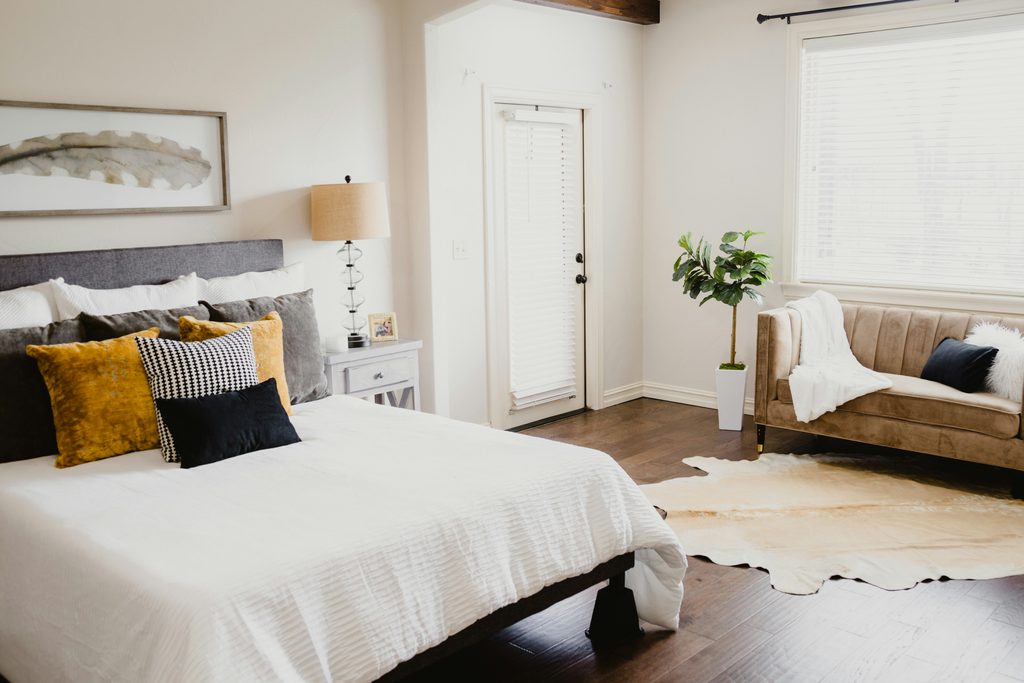
The air quality in your bedroom directly affects how well you sleep. A stuffy, poorly ventilated room can have higher levels of carbon dioxide, which might lead to restless nights and feeling groggy in the morning.
Allergens like dust and pet dander can also trigger symptoms that mess with your sleep. To make your bedroom a better sleep sanctuary, try airing it out for about 15 minutes before you go to bed. Keeping the door slightly open can also help with airflow. If you have significant allergies, an air purifier with a HEPA filter can be a worthwhile investment to catch airborne particles and help you breathe cleaner air all night long.
Taking small, consistent steps to improve your home’s ventilation can make a big difference to your overall health. Just start by opening a window and letting the fresh air in; your body will thank you for it.